I completed my PhD in Sustainability Science (Water Resources Management) at the United Nations University Tokyo, supported by the prestigious JfUNU Full Scholarship. My research bridges fieldwork-intensive ethnography with quantitative analysis to understand how water infrastructure, urbanization, and sustainability challenges intersect—particularly in South Asian contexts.
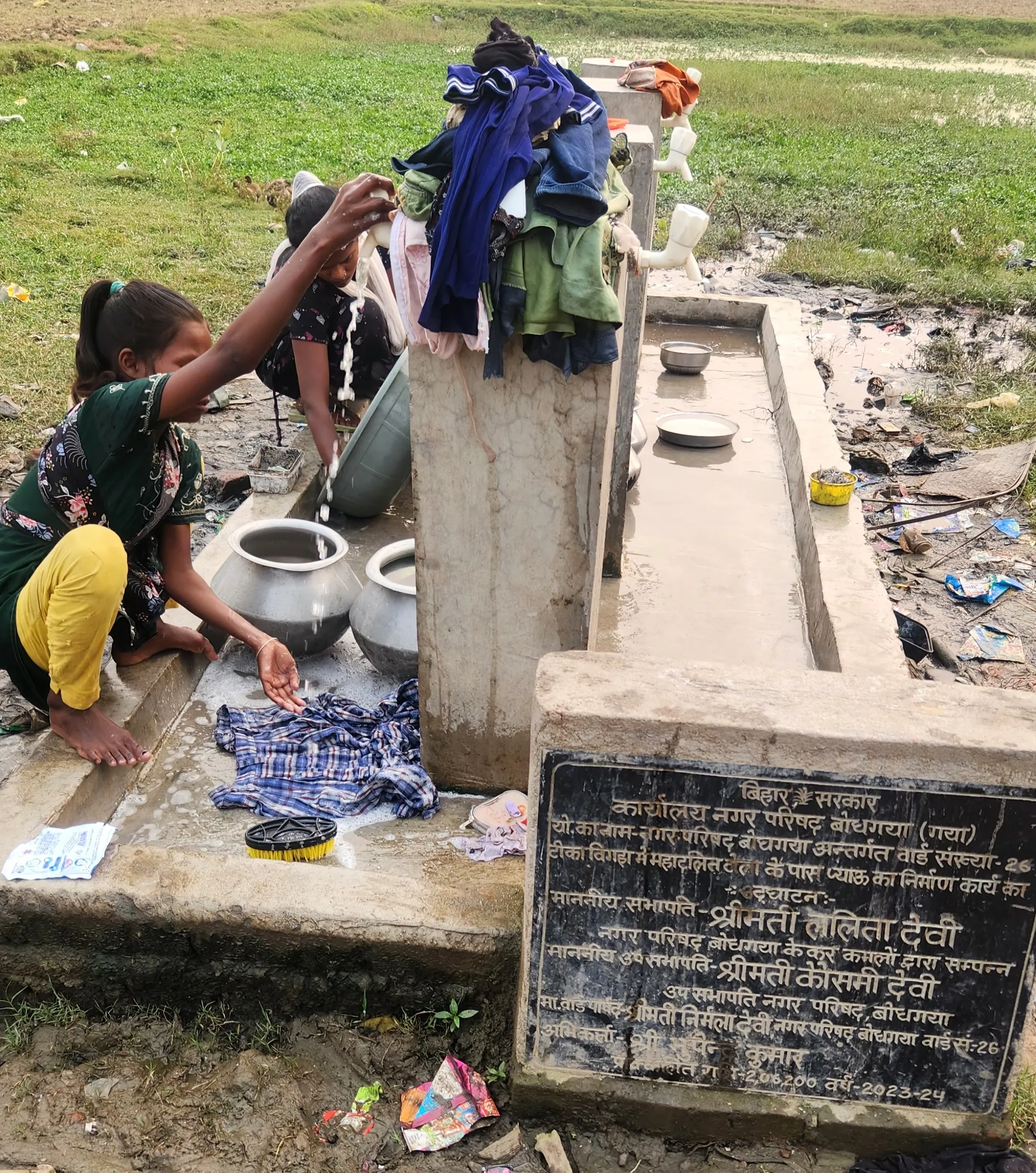
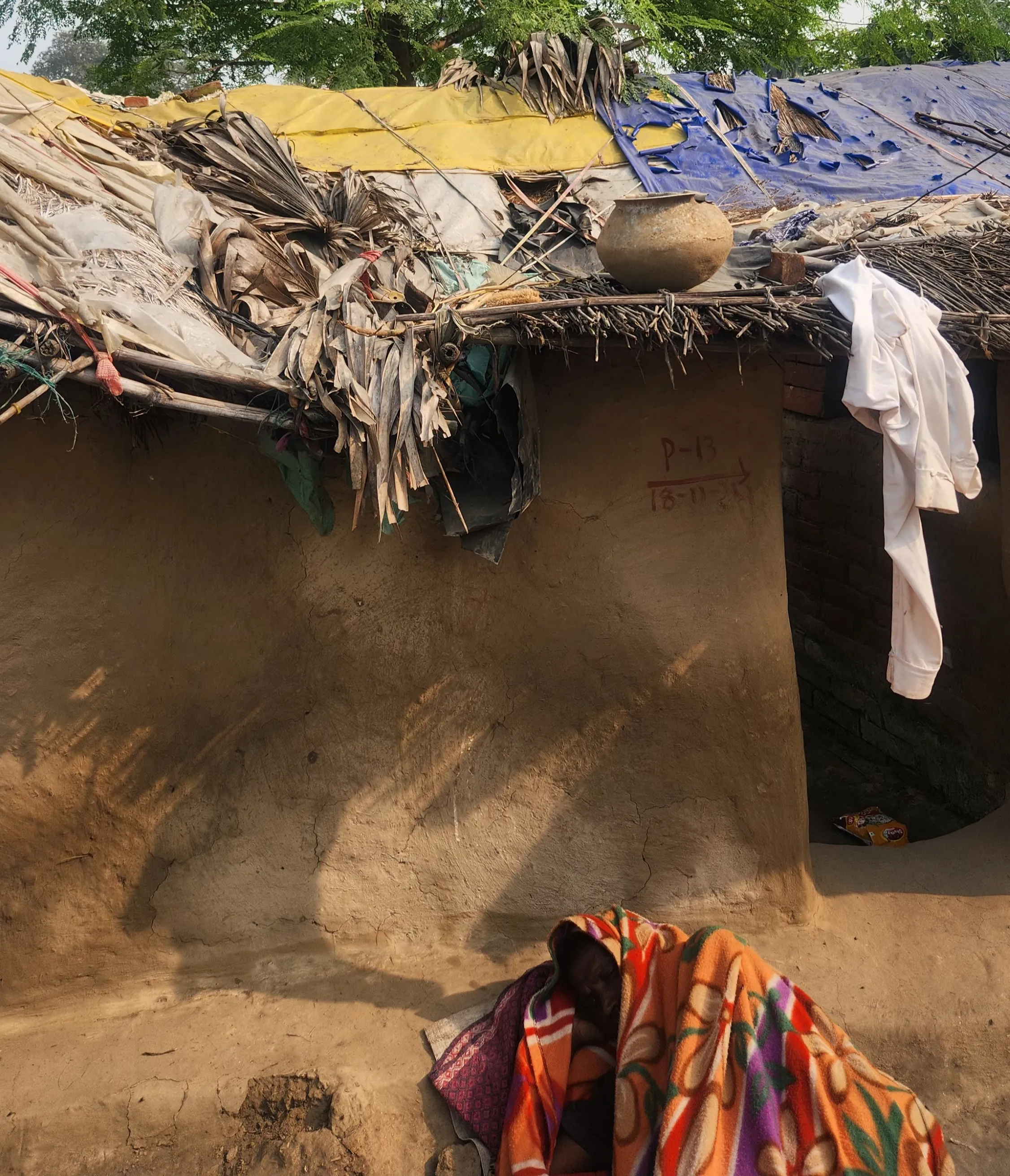
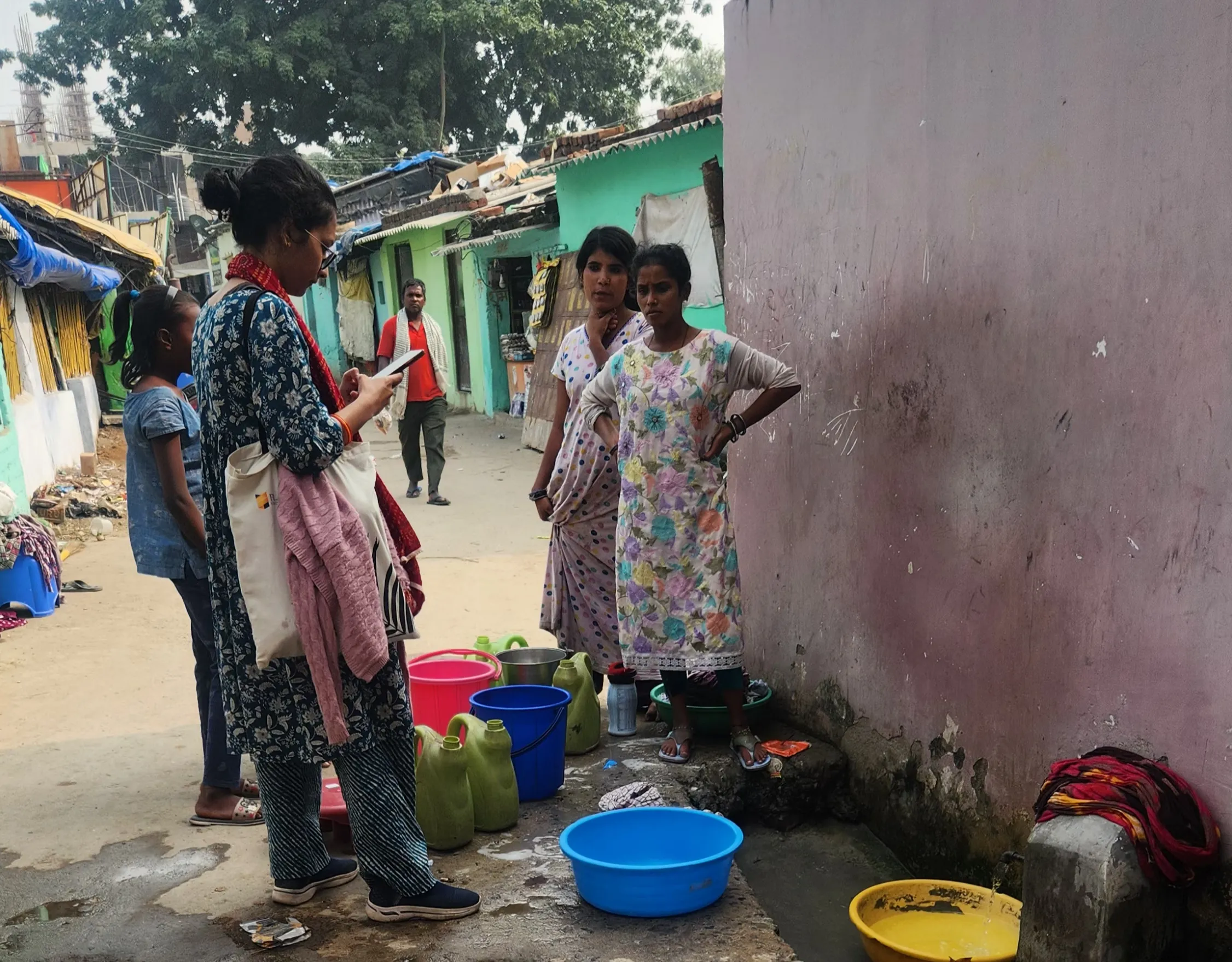
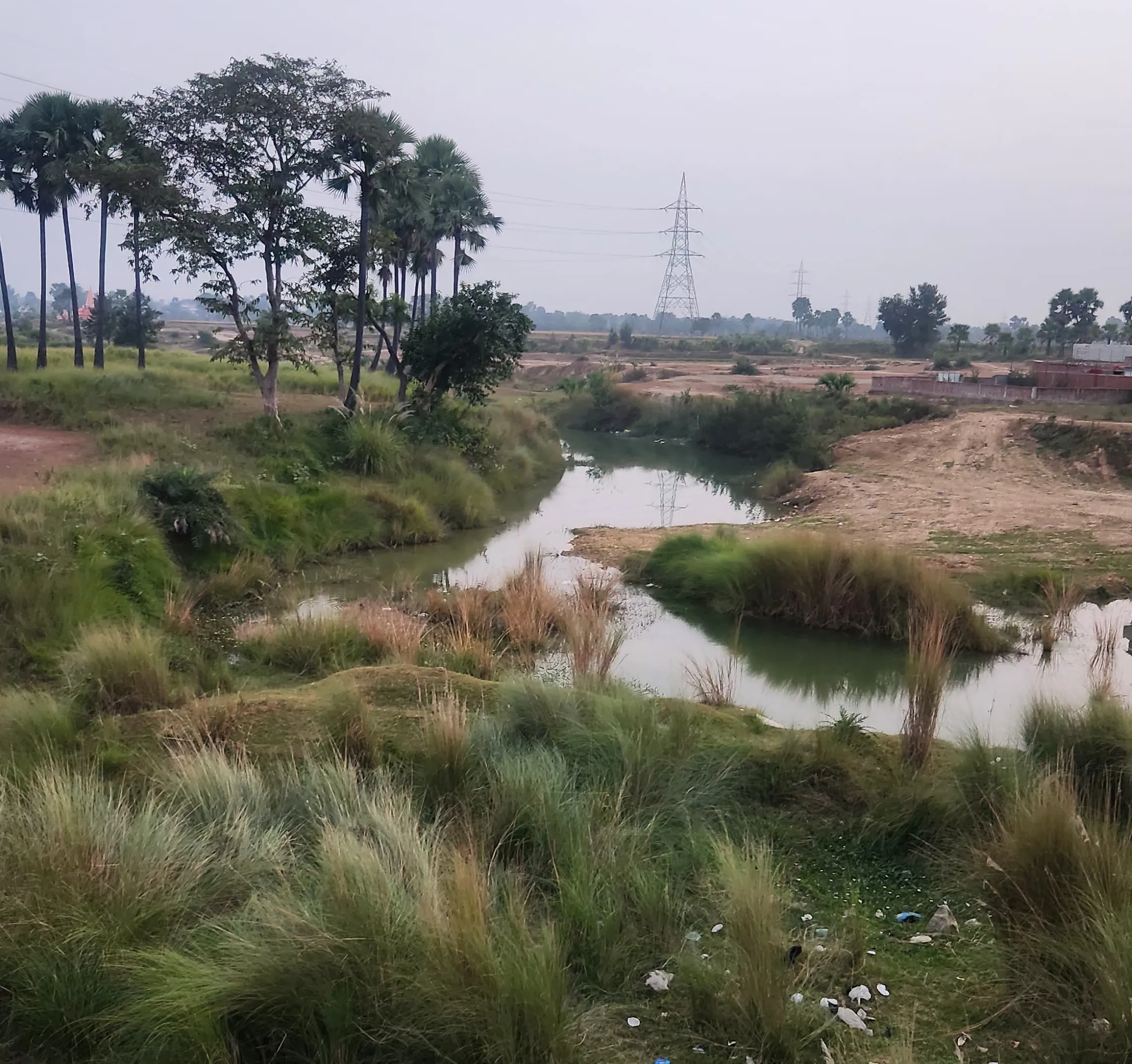
My work operates across multiple scales. At the local level, I conducted ethnographic fieldwork in Bodh Gaya, India, investigating tensions between heritage tourism, water governance, and caste-gender inequalities. At the Pan-India level, I analyzed patterns in household water treatment practices across 636,699 Indian households (NFHS-5), exploring how wealth, caste, religion, and gender shape water safety behaviors. Across Indian cities, I examined peri-urban water transformations in Delhi and water infrastructure challenges in Nashik and Bengaluru.
My published research spans political ecology, urban metabolism, water governance, and infrastructure inequality. I've published in Journal of Industrial Ecology, Habitat International, Sustainability Nexus Forum, Urbanisation, and other peer-reviewed journals. Before my PhD, I worked as a Smart City Fellow and Urban Fellow, contributing to project preparation and investment due diligence for water and urban infrastructure programs across South Asia.